Boiler Water Management: Improving Safety, Efficiency and Sustainability in Healthcare Estates
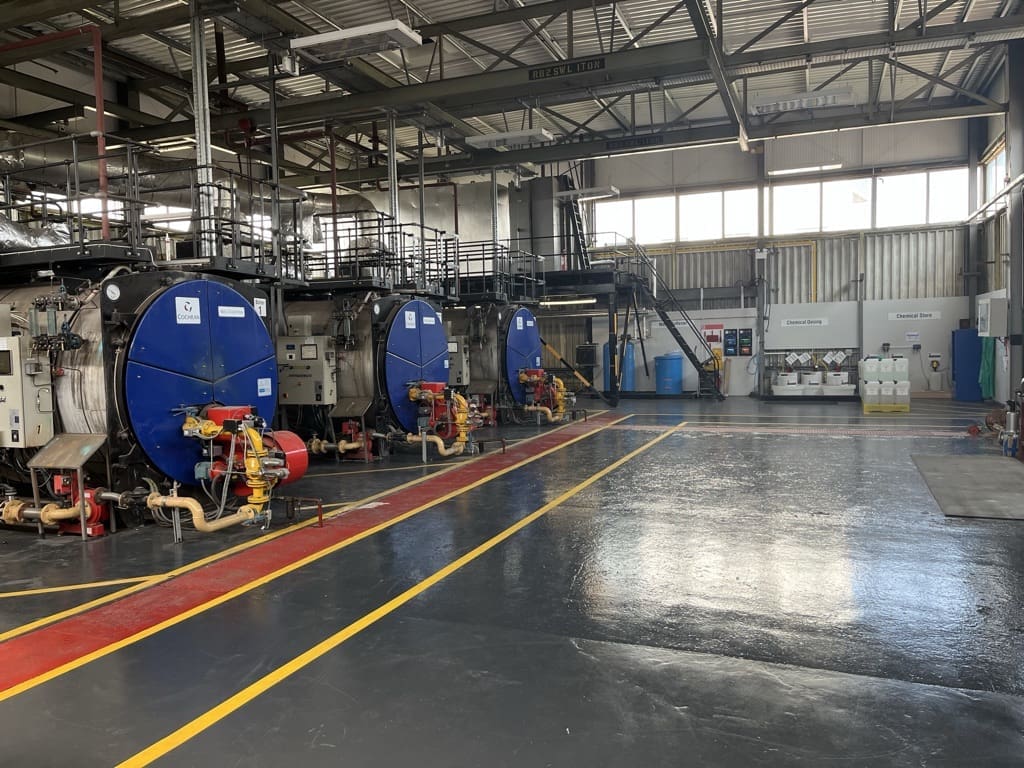
Steam remains a critical utility across healthcare estates, supporting sterilisation, humidification, laundries, heating and domestic hot water generation. Yet the performance, safety and efficiency of steam plant are closely linked to how boiler water is managed. Poor water quality can lead to scale formation, corrosion and system instability, affecting both plant reliability and energy performance.
Guidance such as BG01 – Guidance on the Safe Operation of Steam Boilers and HSE’s Safe Management of Industrial Steam and Hot Water Boilers (INDG436) reinforces that safe boiler operation depends on effective supervision, competence and monitoring. In healthcare environments, where resilience and compliance are non-negotiable, these principles are especially relevant.
This article explores the fundamentals of boiler water management and explains why effective treatment, monitoring and operator competence are essential to the safe and efficient operation of healthcare steam systems.
Steam systems within the modern healthcare estate
Steam is rarely visible within a hospital estate — yet it remains essential to its operation.
Behind plantroom doors and beneath service corridors, steam boilers quietly support sterilisation, humidification, catering, laundries, heating and domestic hot water generation. They underpin infection control, patient comfort and the smooth running of clinical services.
In many hospitals, steam networks distribute energy across multiple buildings and departments, making steam plant a critical element of estate resilience. Interruptions to steam supply can affect sterilisation processes, environmental conditions within clinical spaces and the delivery of essential services. Because of this, reliability is often the primary focus when managing steam plant. As long as boilers continue to operate and energy costs remain within budget, systems are frequently considered to be performing adequately.
However, one of the most influential factors affecting boiler safety, efficiency and long-term reliability is often overlooked: boiler water management. Water chemistry determines how boilers operate internally. Poorly managed water can lead to scale formation, corrosion and steam carryover — issues that gradually reduce efficiency, increase fuel consumption and damage critical plant.
Healthcare estates teams often manage complex steam networks that have developed over many years. Boilers installed at different times may operate at different pressures and serve different parts of the estate, creating systems with varying operating characteristics and water treatment requirements.
Within a hospital environment, even relatively minor operational issues can have wider consequences. Interruptions to steam supply may affect sterilisation processes, environmental control within operating theatres or domestic hot water production across wards. For estates teams responsible for maintaining reliable infrastructure, understanding the factors that influence boiler performance is therefore essential.
Steam and healthcare infrastructure resilience
Healthcare estates teams often manage complex and evolving steam networks that support multiple buildings and clinical departments across a site. In this environment, maintaining reliable steam generation is not simply an engineering task; it forms part of the wider resilience of healthcare infrastructure.
Ensuring boilers operate safely, efficiently and consistently is therefore a key responsibility for estates and facilities professionals. Guidance such as BG01 Safe Operation of Steam Boilers, BG02 Safe Operation of Hot Water Boilers, and BG04 Boiler Water Treatment emphasises the importance of monitoring, operator competence and proactive management in maintaining safe boiler operation.
Closed-loop hot water systems in healthcare estates
While steam systems remain essential for applications such as sterilisation and humidification, many healthcare estates also rely heavily on closed-loop hot water boiler systems for heating and domestic hot water generation.
Guidance such as BG02: Guidance on the Safe Operation of Hot Water Boilers recognises that these systems operate under different conditions from steam boilers but still require careful monitoring and competent supervision. In closed-loop systems the circulating water is retained within the system rather than discharged as steam. Because of this, maintaining stable water chemistry is essential to prevent corrosion, sludge formation and fouling of heat exchangers, pumps and distribution pipework.
Poor water quality within closed heating systems can lead to corrosion, blocked strainers and reduced heat transfer efficiency. Over time these issues can affect both system performance and energy consumption. For healthcare estates teams managing mixed heating infrastructure, understanding the differences between steam boiler water treatment and closed-loop system management is an important part of maintaining reliable and efficient plant operation.
Why boiler water management matters
Water used in steam generation is rarely chemically pure. Natural water supplies typically contain dissolved minerals, gases and suspended solids that influence how water behaves when heated under pressure.
As water is heated within a boiler, these impurities can concentrate and interact with internal surfaces. Without effective treatment and monitoring, three common issues may develop: scale formation, corrosion and carryover. Although these problems often, but not always, develop gradually, they can significantly affect system performance over time. For estates engineers responsible for maintaining reliable steam plant, managing these risks is an important part of protecting critical infrastructure.
Scale formation and the hidden energy penalty
Scale formation is one of the most common operational challenges encountered in steam boiler systems.
When water containing dissolved minerals such as calcium and magnesium carbonate is heated under pressure, these minerals can precipitate and form deposits on heat transfer surfaces. Over time, these deposits accumulate on boiler tubes and other internal surfaces. Even a thin layer of scale acts as an insulating barrier, reducing heat transfer efficiency. As a result, the boiler must burn more fuel to produce the same quantity of steam. Across large healthcare estates operating multiple boilers, this loss of efficiency can lead to significant increases in energy consumption.
Scale deposits may also create localised hot spots within boiler tubes. Because heat cannot dissipate effectively through the insulating scale layer, metal surfaces beneath the deposits may become overheated, potentially leading to tube distortion or failure.
Corrosion within steam systems
While scale deposits are often visible during inspection, corrosion can develop more gradually and may remain undetected until damage becomes significant.
Corrosion within boiler systems commonly results from dissolved gases such as oxygen or carbon dioxide and inadequate pH control. These conditions typically originate in the feedwater and can affect components throughout the boiler system. Over time, they react with metal surfaces and gradually weaken system materials. Corrosion may affect several parts of a steam system including boiler shells and tubes, feedwater pipework, condensate return systems and steam distribution pipework.
Within large hospital estates where steam networks extend across multiple buildings, corrosion damage can lead to leaks, contamination risks and costly repairs. Chemical treatment programmes, deaeration systems and effective condensate management are typically used to control corrosion. Maintaining correct water chemistry through routine monitoring is therefore essential for protecting system integrity.
The importance of condensate return systems
Condensate return systems play a significant role in the overall performance of steam plant. When steam transfers its heat energy to a process or heating system it condenses back into water, known as condensate. Returning this condensate to the boiler house allows both heat and treated water to be recovered.
Efficient condensate recovery offers several advantages. Because condensate is already heated, returning it to the boiler reduces the amount of energy required to raise feedwater to boiling point. It also reduces the volume of fresh make-up water required, lowering the demand for chemical treatment. However, condensate systems can also present challenges. As steam condenses, carbon dioxide can dissolve into the condensate, forming carbonic acid. This can create acidic conditions within return pipework and potentially lead to corrosion if not properly controlled.
Regular monitoring of condensate quality is therefore an important part of steam system management. Identifying contamination or changes in condensate chemistry early can help prevent corrosion and protect the wider system. For healthcare estates teams, maintaining effective condensate return systems improves both energy efficiency and long-term plant reliability.
Steam carryover and operational disruption
Carryover in a steam boiler occurs when water droplets or dissolved solids from the boiler water are carried out of the boiler with the steam instead of remaining in the boiler.
This can occur when dissolved solids levels become excessive or when boiler operating conditions become unstable. In healthcare facilities, carryover can create operational problems such as water hammer within steam pipework or reduced performance of sterilisation and humidification equipment. Boiler safety systems, including temperature limiters, pressure controls and protective devices, ensure plant operates within safe parameters. Maintaining stable water chemistry supports these systems and reduces the likelihood of operational faults or shutdowns.
Monitoring and testing boiler water
Effective boiler water management depends on consistent monitoring and testing.
Routine testing allows engineers to confirm that water chemistry remains within acceptable limits and that treatment programmes are functioning correctly. Typical monitoring activities include testing for hardness, alkalinity, conductivity and chemical residuals.
Typically, estates teams combine specialist water treatment support with routine on-site monitoring carried out by trained operators. Daily testing allows plant operators to identify changes in water chemistry immediately and respond before problems develop. Selecting a professional water treatment company that is competent in boiler water systems is equally important, ensuring treatment programmes, monitoring regimes and corrective actions are managed in line with recognised industry guidance and best practice.
Monitoring should not be viewed solely as a compliance requirement. When undertaken regularly and interpreted correctly, water testing provides valuable insight into the overall health of the steam system. By reviewing results over time, estates teams can identify trends and take proactive action before problems escalate. This shifts water testing from a reactive maintenance task to a proactive element of plant management.
Managing dissolved solids and boiler blowdown
As steam is generated within a boiler, pure water evaporates while dissolved minerals and treatment chemicals remain in the boiler water. Over time, this leads to an increase in the concentration of dissolved solids.
If these concentrations are allowed to rise too high, several operational issues can occur. High dissolved solids can increase the risk of foaming within the boiler, which in turn may lead to steam carryover. Excessive concentrations can also contribute to scale formation and unstable boiler operation. To control this, boilers use a process known as blowdown. Blowdown involves removing a controlled volume of boiler water and replacing it with fresh feedwater. This helps maintain dissolved solids within acceptable limits and ensures stable boiler operation.
Two types of blowdown are commonly used. Bottom blowdown removes sludge and sediment from the lower parts of the boiler, while surface blowdown removes water with high dissolved solids from the upper water layer. Optimising blowdown rates is important for both efficiency and water management. Excessive blowdown wastes heat energy and treated water, while insufficient blowdown allows dissolved solids to accumulate.
Modern monitoring systems can support blowdown control by continuously measuring boiler water conductivity. This allows blowdown to be adjusted automatically, helping maintain consistent water quality while minimising unnecessary energy losses. For estates teams managing multiple boilers across healthcare sites, optimising blowdown control can deliver measurable improvements in both efficiency and system stability.
Case Study: Improving Boiler Performance Through Water Management
Gartnavel General Hospital undertook a review of its boiler water management strategy following concerns about plant condition and operational efficiency.
Previously, monthly testing had been undertaken by external contractors. However, results were often received some time after testing and were difficult for site staff to interpret. Over time, this allowed scale to begin forming on boiler tubes, eventually leading to repairs and unscheduled downtime.
Following a review of the system, the estates team introduced a new approach focused on operator training, improved monitoring and closer collaboration with water treatment specialists. Key improvements included BG04 training for operators, daily boiler water testing, digital reporting of test results, improved communication between operators and water treatment specialists, additional chemical injection points, and improvements to condensate recovery systems.
During a subsequent inspection, the boilers were reported to be “in the best condition they had been in for years”. Energy analysis also revealed measurable improvements, including a reduction of 235,295 kWh in annual gas consumption and 42,941 kg reduction in annual CO₂ emissions.
Perhaps the most significant outcome was the shift in operational culture. Boiler operators began reviewing water chemistry daily and discussing system performance as part of routine plant management.
Operator competence and training
While chemical treatment programmes and monitoring systems are essential components of boiler water management, the knowledge and competence of plant operators remain equally important.
Operators responsible for steam plant must understand how water chemistry influences boiler performance and safety. They should be able to interpret routine water testing results and recognise when system conditions fall outside acceptable limits. Guidance documents such as BG01 and BG02 emphasise the importance of ensuring that boiler operators receive appropriate training for the systems they manage. This includes understanding boiler controls, water treatment regimes, alarm responses and safe operating procedures.
Within healthcare estates, where staffing structures may change over time and responsibilities may be shared across engineering teams, maintaining operator competence requires a structured approach to training and knowledge sharing. Training programmes focused on boiler operation and water treatment help engineers develop the confidence to manage systems proactively rather than reactively. When operators understand the relationship between water chemistry, system efficiency and equipment protection, water testing becomes part of routine plant management rather than a compliance exercise.
As demonstrated in the case study earlier in this article, improving operator knowledge and engagement can have a significant impact on both system performance and plant condition. Encouraging operators to review water chemistry data regularly and discuss results with water treatment specialists can help build a culture of proactive system management. Over time, this approach supports improved reliability, reduced maintenance costs and more efficient steam generation.
Supporting energy efficiency and sustainability
Effective boiler water management also contributes directly to wider estate objectives such as energy efficiency and carbon reduction.
Steam boilers can represent a significant proportion of energy consumption within healthcare estates. Maintaining clean heat transfer surfaces and stable water chemistry helps ensure boilers operate as efficiently as possible.
Across the NHS, estates teams are working towards ambitious carbon reduction targets as part of the NHS Net Zero strategy, which aims for the health service to reach net-zero carbon emissions by 2040 for directly controlled emissions. Improving the operational efficiency of existing infrastructure, including boiler plant, can therefore play an important role in supporting these wider sustainability objectives.
Operational improvements such as maintaining clean heat transfer surfaces, optimising blowdown rates and ensuring stable water chemistry can deliver meaningful energy savings without major capital investment.
Key Takeaways for Healthcare Estates Teams
Maintain pretreatment systems such as water softeners to prevent scale formation.
Monitor boiler water chemistry routinely and maintain accurate records.
Ensure operators are trained to interpret test results and understand treatment programmes.
Monitor condensate return systems to reduce corrosion risks and energy losses.
Recognise that improved boiler efficiency can contribute to wider sustainability and net-zero objectives.
Conclusion
Steam systems remain a vital part of healthcare infrastructure, supporting essential services across hospitals and healthcare facilities. While boilers themselves are often the focus of maintenance activity, the quality of water circulating within these systems plays an equally important role in determining plant performance. By prioritising effective water treatment, regular monitoring and operator competence, healthcare organisations can improve the safety, efficiency and resilience of their steam systems and support the safe delivery of healthcare services.