Boiler Failures and Compliance: Why Following Guidance Isn’t Optional
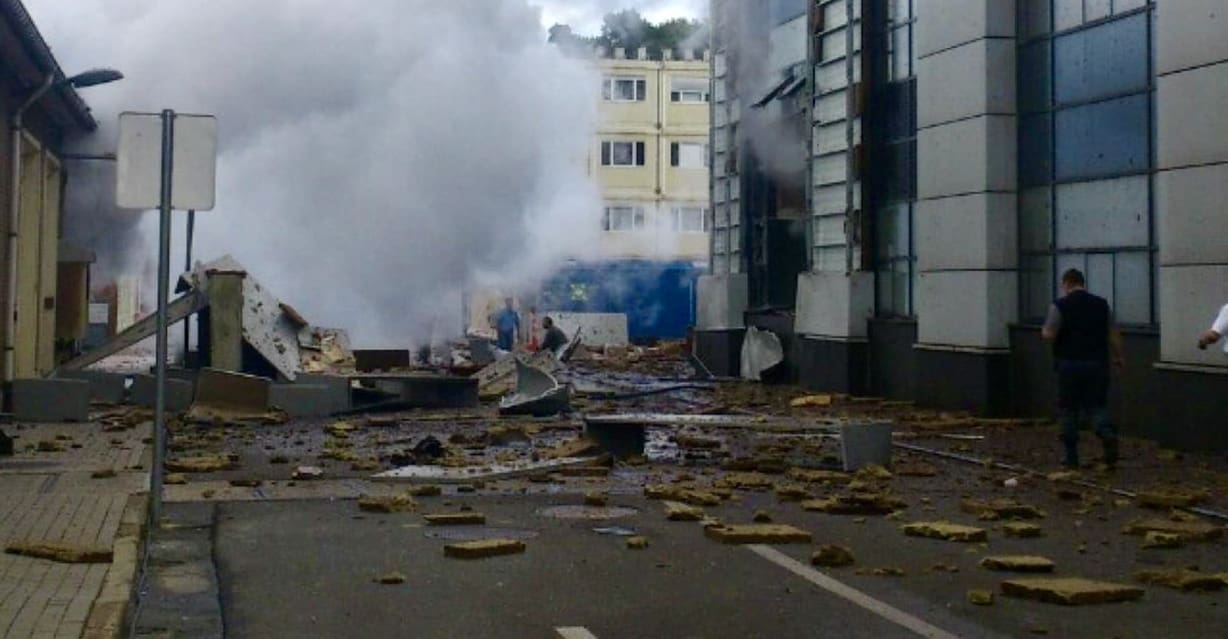
Boiler failures don’t happen because of bad luck.
They happen when guidance and legislation are ignored.
Industrial steam boilers contain significant stored energy, and when control is lost, the consequences are immediate, severe, and often irreversible.
What Causes Boiler Failures?
Most boiler failures can be traced back to a small number of preventable issues:
- Low water levels → overheating → potential rupture
- Over-pressure → uncontrolled release of energy
- Poor water treatment → corrosion → structural failure
- Inadequate supervision → missed warning signs
These are not rare or unpredictable events — they are well-understood risks that must be actively managed.
The Real-World Consequences
HSE guidance (INDG436) is clear: boiler failures have resulted in:
- Loss of life
- Serious injuries
- Destruction of plant and equipment
- Major production downtime
This is why boiler safety is not just a technical issue — it is a critical operational and legal responsibility.
What Does the Law Require? (PSSR Compliance)
Under the Pressure Systems Safety Regulations (PSSR), organisations operating steam boilers must have:
- Defined Safe Operating Limits (SOLs)
- A Written Scheme of Examination (WSE)
- Periodic inspection by a Competent Person
- Proper operation, maintenance, and record keeping
Failure to meet these requirements is a breach of statutory duty.
The Role of ACOP and Guidance
The Approved Code of Practice (ACOP) makes expectations clear:
If you do not follow the guidance — and cannot demonstrate an equivalent level of safety — a court is likely to find you at fault.
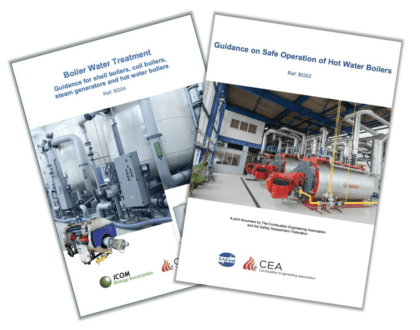
In addition, BG01 guidance reinforces that safe boiler operation depends on:
- Effective management systems
- Demonstrable operator competence
- Adequate supervision
- Proper water treatment
This highlights a key point: boiler safety is not just about equipment — it’s about how it is managed.
The Cost of Non-Compliance
When guidance is ignored, the consequences extend far beyond technical failure:
- ⚖ Enforcement notices from regulators
- 💷 Unlimited fines
- 🏭 Production shutdowns
- 📉 Reputational damage
- 👨👩👧👦 Injuries or fatalities
Boiler compliance failures can impact every level of an organisation — operationally, financially, and legally.
Boiler Compliance Is Not Paperwork
It is easy to see compliance as a documentation exercise.
In reality, it is something far more important:
It is protection.
- Protection of people
- Protection of assets
- Protection of business continuity
Key Questions to Ask About Your Boiler Compliance
If you are responsible for a steam system, take a moment to reflect:
- When was your last boiler risk assessment review?
- Is your Written Scheme of Examination up to date?
- Are your operators trained and demonstrably competent?
- Could you confidently defend your supervision arrangements?
Don’t Wait for an Incident
With pressure systems, small gaps in compliance can quickly escalate into major incidents.
Taking action now — before an inspection, alarm, or failure — is critical.
At Deep Water Blue, we support organisations in strengthening their boiler compliance, risk management, and water treatment strategies, helping ensure systems are safe, compliant, and resilient.
Because when it comes to steam systems, compliance isn’t optional — it’s essential.