The Most Overlooked Risk in Your Steam System: Boiler Water Treatment
When thinking about risks in a steam system, most people focus on the obvious:
- Burners
- Controls
- Pressure systems
But one of the most critical — and often overlooked — risks is much simpler:
The water.
Why Boiler Water Treatment Matters
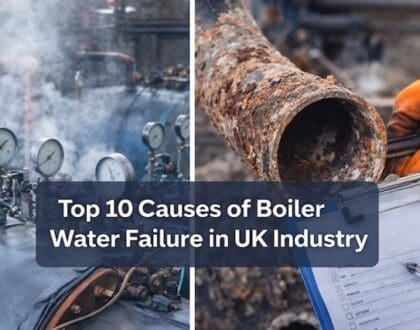
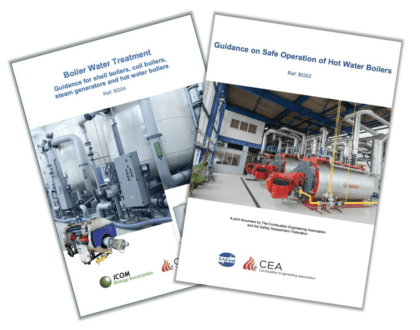
According to BG04 guidance, poor or inadequate water treatment is responsible for more than 95% of boiler failures.
This is not a minor technical issue — it represents a systemic risk across steam plant operation.
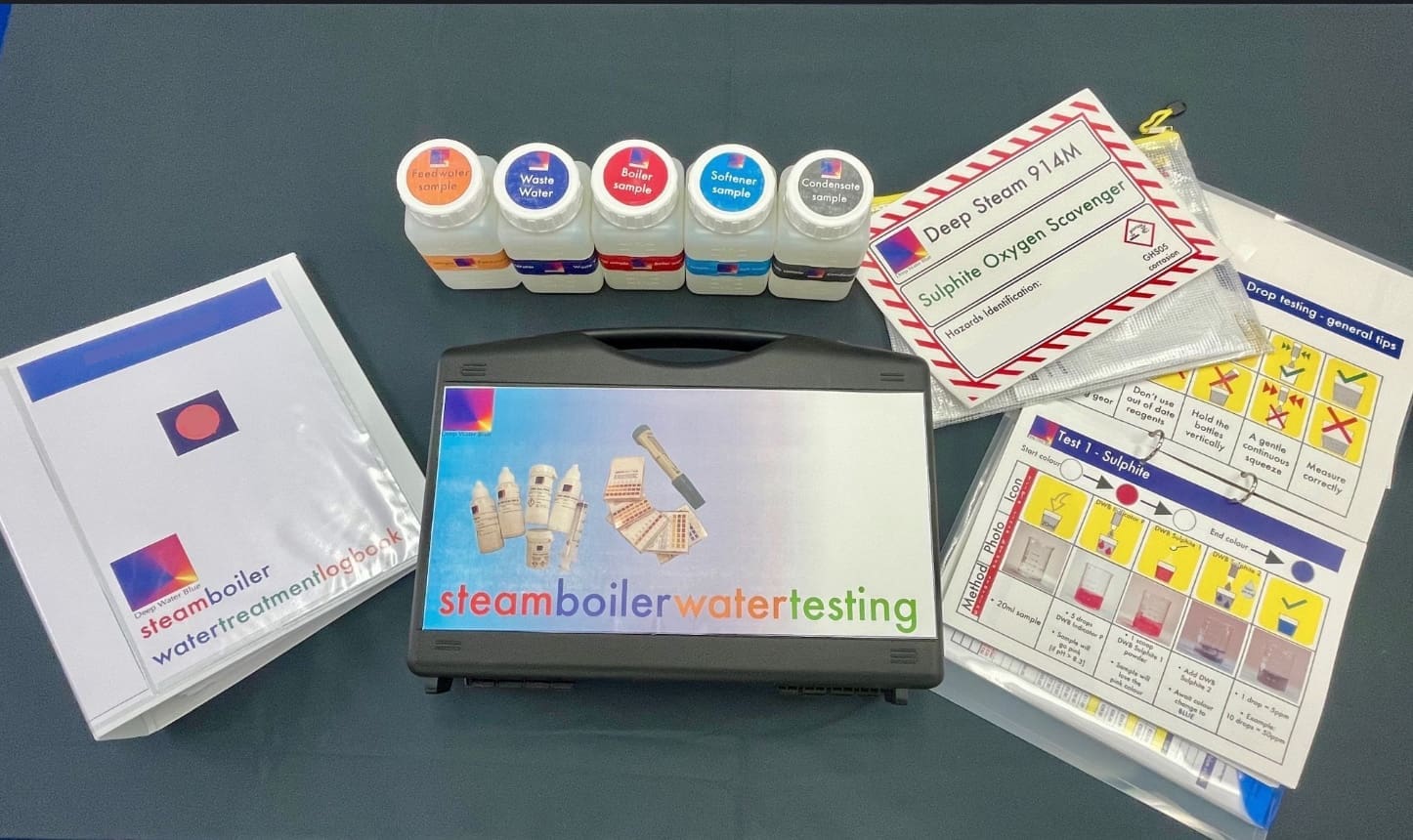
Similarly, INDG436 highlights that routine water-quality testing is essential to ensure safe, reliable, and efficient boiler performance.
Despite this, water testing can often become a routine task — reduced to a tick-box exercise rather than a critical control measure.
What Happens When Water Treatment Standards Slip?
When water quality is not properly managed, the consequences can escalate quickly:
Scale Formation and Overheating
Scale begins to build up on heat-transfer surfaces, reducing efficiency. As heat transfer declines, metal temperatures increase, raising the risk of distortion and damage.
Corrosion from Oxygen Ingress
Oxygen entering the system leads to pitting corrosion, which can weaken boiler components and lead to premature failure.
High TDS and Carryover
Elevated Total Dissolved Solids (TDS) can cause foaming and carryover, allowing water to enter the steam system.
This can result in water hammer, causing damage to pipework, valves, and downstream equipment.
Compliance and Legal Responsibilities
Under the Pressure Systems Safety Regulations (PSSR), safe operation of a boiler system includes:
- Effective water treatment
- Routine monitoring and testing
- Accurate record keeping
Failure to manage water quality properly is not just a performance issue — it is a compliance risk.
More Than Chemistry: A Critical Control Measure
Boiler water treatment is often viewed as a chemical process.
In reality, it is much more:
- Asset protection – safeguarding critical plant equipment
- Operational reliability – reducing breakdowns and downtime
- Safety management – preventing hazardous failures
- Regulatory compliance – meeting BG04 and PSSR expectations
Moving Beyond Tick-Box Testing
To ensure your water treatment regime is effective, it’s important to go beyond simply recording results.
This week, take a more proactive approach:
- Review your water treatment data, not just record it
- Analyse trends to identify early warning signs
- Confirm your team understands control limits and why they matter
- Verify your regime is robust and fit for purpose
Take Action Before Issues Escalate
In steam systems, small water quality issues rarely remain small.
Left unchecked, they can quickly develop into:
- Efficiency losses
- Equipment damage
- Safety incidents
- Compliance failures
If you operate a steam system, now is the time to act — not after the next inspection, alarm, or failure.
At Deep Water Blue, we support organisations in reviewing and strengthening their boiler water treatment regimes, helping to ensure safety, compliance, and long-term reliability.
Because when it comes to steam systems, getting the water right is critical.